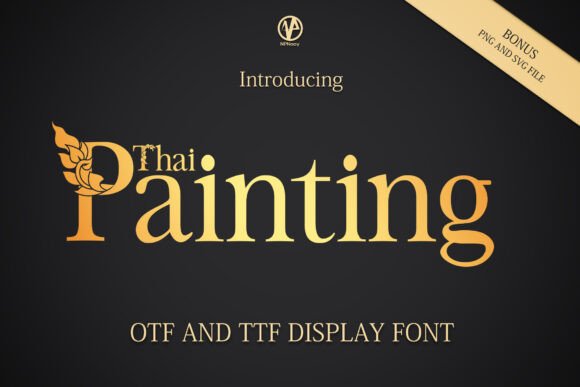
Thai Painting: A Vintage Display Font for Creative Projects
Imagine you're designing a logo for a new artisan coffee shop or crafting a social media campaign for a boutique skincare brand. You need a typeface that feels warm, inviting, and a little bit nostalgic—something that tells a story before the words are even read. That's where a font like Thai Painting comes in. It's a vintage display font designed to add character and charm to a wide range of creative work, from digital branding to printed invitations.
What Makes This Typeface Visually Stand Out?
Thai Painting draws inspiration from classic signage and hand-painted lettering, giving it a textured, slightly worn appearance that feels authentic and timeless. Unlike overly polished modern fonts, it carries a sense of history and craftsmanship. The letterforms often feature subtle variations in stroke width and soft edges, which help create a relaxed, approachable vibe. This makes it particularly effective for projects that aim to evoke warmth, nostalgia, or artisanal quality.
It's worth noting that while it's categorized as a display font, its design balances decorative appeal with enough clarity for short headlines and titles. That said, like most display typefaces, it's best used for accent text rather than long paragraphs. Pairing it with a clean sans serif or serif font for body copy can create a harmonious layout that's both eye-catching and easy to read.
Practical Applications Across Different Projects
One of the strengths of a versatile vintage font is its ability to adapt to various design contexts. For instance, in logo design, Thai Painting can help a brand stand out with a distinct personality—think of a bakery, a handmade jewelry line, or a cozy bookstore. In packaging design, it can add a touch of nostalgia to product labels, boxes, or bags, making items feel more personal and curated.
When it comes to social media graphics, using a font like this for quotes, announcements, or promotional posts can increase engagement by giving your visuals a unique look that stands out in a crowded feed. It also works well for digital products like e-books, worksheets, or online course materials, where a little visual flair can enhance the perceived value.
For print materials such as posters, invitations, or event flyers, the textured details of the font can add depth and interest, especially when printed on textured paper stock. Even in editorial layouts—like magazine headers or blog graphics—it can serve as a creative accent that draws the reader's eye.
How a Thoughtful Font Choice Supports Your Brand
Typography is a key element of brand identity. The fonts you choose communicate subtle messages about your brand's values and personality. A vintage display typeface like Thai Painting can signal authenticity, creativity, and attention to detail. Consistently using it across your marketing assets—from your website to your business cards—can help build visual recognition and make your brand feel more cohesive.
That said, readability should always be a priority. While decorative fonts are great for headlines and accents, using them for large blocks of text can strain the reader's eyes. A good rule of thumb is to reserve display fonts for short, impactful text and pair them with more neutral fonts for longer content. This approach ensures your designs are both beautiful and functional.
Tips for Pairing and Using Display Fonts Effectively
If you're new to working with display typefaces, here are a few practical suggestions:
- Test different pairings. Try combining Thai Painting with a simple sans serif like Open Sans or a classic serif like Lora. See which combination feels right for your project's tone.
- Consider the context. A vintage font might suit a rustic-themed wedding invitation but feel out of place on a tech startup's website. Always align your font choice with your audience and message.
- Check the license. Before using any font for commercial projects, review the licensing terms. Most premium fonts include licenses for both personal and commercial use, but it's important to confirm what's allowed.
- Experiment with size and spacing. Display fonts often look best at larger sizes with a bit of extra letter spacing. Play around with these settings to see what looks most appealing.
Bringing It All Together
Choosing the right font is more than just a design decision—it's a strategic one. A typeface like Thai Painting offers a blend of vintage charm and practical versatility, making it a valuable addition to any designer's toolkit. Whether you're working on a brand refresh, creating content for a blog, or designing packaging for a new product line, having a creative font that aligns with your vision can make the process smoother and the results more impactful.
Ultimately, the best font is one that feels right for your project and resonates with your audience. Take the time to experiment, test different combinations, and see how the typeface works in real-world applications. With a thoughtful approach, even a simple font choice can elevate your designs and help you communicate more effectively.