Material: A Display Font with Unapologetic Personality
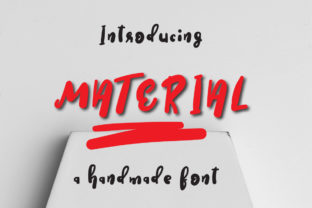
Sometimes a project calls for more than just legible text; it demands a visual exclamation point. You've sketched out the concept, nailed the color palette, and you know exactly what you want to say. But the standard, safe fonts feel like whispering when you need to shout. This is where a typeface like Material enters the conversation. It’s not a background player. It’s a fun, bold display font engineered to inject energy and confidence directly into your design, turning a solid idea into a genuine standout. Think of it as the typographic equivalent of a signature accessory—it completes the look and makes people take notice.
More Than Just Letters on a Page
What makes a display font like Material visually appealing isn't just its weight. It's the attitude baked into its curves and terminals. This typeface likely features exaggerated proportions, sharp contrasts, or unique stylistic details that give it a distinct voice. It might have a slightly condensed feel for a modern edge or incorporate subtle geometric shapes that hint at a retro-futuristic vibe. The beauty lies in its specificity. While a sans serif font like Helvetica is a versatile workhorse, Material is a specialist. It’s designed for headlines, logos, and any application where you need the typography itself to be the first thing someone reads—and remembers. Its bold presence ensures your message isn't just seen; it's felt.
Where Bold Typography Truly Shines
The practical applications for a font with this much character are wide-ranging, especially for creatives and entrepreneurs who need to cut through the noise. Consider these real-world scenarios:
- Brand Identity & Logo Design: For a brand that wants to project innovation, fun, or disruptive energy, Material can form the cornerstone of a visual identity. A logo set in this typeface immediately sets a tone—think of a tech startup, a streetwear label, or a boutique coffee roaster.
- Packaging & Product Design: On a shelf crowded with minimalist designs, a product using Material for its name or key descriptors will pop. It works beautifully for everything from artisanal hot sauce labels to cosmetics packaging, communicating a strong personality before the customer even reads the copy.
- Digital Presence: In the fast-scrolling environment of social media, a bold headline is your best hook. Use it for Instagram graphics, YouTube thumbnails, or Facebook ad headlines to stop the scroll. On a website, it can power hero sections, landing page headers, and promotional banners, guiding the user's eye and emphasizing value propositions.
- Print & Editorial: Don't relegate it to the digital realm. A striking poster for an event, the title on a magazine cover, or the chapter headings in a self-published book can all benefit from its impactful presence. It brings a level of professional presentation that elevates the entire project.
- Merchandise & Invitations: For custom t-shirts, tote bags, or wedding invitations, the right font sets the mood instantly. Material’s boldness can make a statement piece of apparel feel current and cool, or give a party invite a sense of modern, festive urgency.
Achieving Visual Harmony with a Bold Player
Introducing a powerful display font like Material into your toolkit is a strategic move. Its strength lies in contrast and focus. Using it for every line of text would be overwhelming and defeat its purpose. The key is pairing it wisely. A classic font pairing strategy is to combine a expressive display font with a clean, highly readable body font. Consider pairing Material with a simple, geometric sans serif or a neutral serif font for body copy. This creates a clear visual hierarchy: the bold font grabs attention and communicates the core message, while the supporting font ensures detailed information remains easy to digest.
Before fully committing, always test your font pairings in context. Mock up a social media post, a website header, or a product label. Check the readability of the body text against the bold headlines. Ensure the overall tone aligns with your project goals—a playful brand might pair Material with a rounded sans serif, while a more sophisticated brand might choose a crisp, high-contrast serif. This testing phase is crucial for maintaining visual consistency across all your brand assets, which in turn strengthens brand recognition.
Practical Considerations for Your Creative Workflow
When you decide a creative font like Material is right for your project, a few practical steps will ensure a smooth process. First, review the included font styles. Many premium fonts come with a family—perhaps a regular, italic, condensed, or outline version. Knowing these options upfront allows for more versatile design applications without seeking a second typeface.
Second, pay close attention to commercial licensing. If you're using the font for a client project, merchandise for sale, or a digital product you'll distribute, you need to ensure you have the proper license. This is a non-negotiable aspect of professional design. Reputable font foundries and marketplaces make licensing terms clear, so take a moment to understand them. It protects you, your client, and the type designer's work.
Finally, think about your audience and medium. A font that looks magnificent on a poster might lose some of its intricate details when used very small on a mobile screen. Always consider the primary viewing context. For web design, you'll need to ensure the font files are optimized for performance. For print, you'll want to confirm it renders crisply at your intended size. By viewing a font like Material not just as a download but as a design asset with specific strengths and requirements, you unlock its full potential to elevate your work from ordinary to unforgettable.