First Aid Kit: A Display Font for Bold, Memorable Design
There are moments in a design project where a standard serif or clean sans serif just won't cut it. You're working on a poster for a vintage-themed event, packaging for an artisanal product, or a logo for a creative studio, and you need a typeface that doesn't just sit there—it has to speak. It needs personality, a bit of flair, and a distinct visual voice that grabs attention immediately. This is precisely where a character-rich display font like First Aid Kit comes into its own, offering a solution that feels both thoughtfully crafted and refreshingly unconventional.
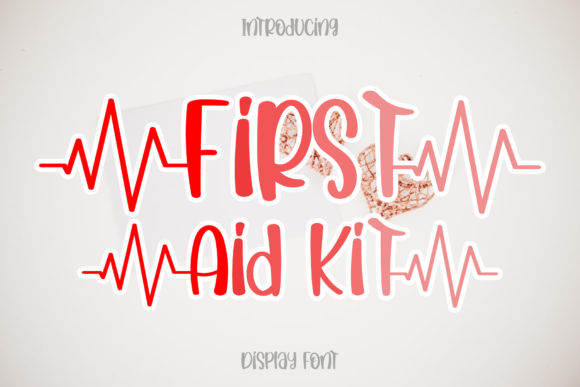
At its core, First Aid Kit is a premium display font designed to inject a cool, uniquely styled energy into a wide array of projects. Its name hints at a certain utility and necessity, but its design leans into creative expression. The letterforms are constructed with a blend of sharp angles and subtle curves, creating a modern typography feel that avoids being sterile. It’s the kind of typeface that works beautifully for headings, logos, and any application where a single word or short phrase needs to carry significant visual weight. Because it’s PUA encoded, every stylistic glyph, swash, and alternate character is fully accessible, giving you a complete toolkit for customization without needing advanced design software features.
Beyond the First Impression: Visual Character and Style
What makes a display font truly useful is its ability to be both distinctive and adaptable. First Aid Kit walks this line effectively. Its structure suggests a confident, slightly edgy aesthetic—think of it as the typographic equivalent of a well-designed tool: functional, reliable, but with a clear design intention. The characters have enough visual interest to stand alone as a logo mark, yet they maintain a cohesion that allows them to work together in a headline without becoming chaotic.
Consider the difference between a script font that feels too casual for a professional brand and a geometric sans serif that feels too impersonal. This creative font occupies a middle ground. It has the uniqueness of a handwritten font’s personality but with a more deliberate, polished construction. This makes it an excellent candidate for projects that need to feel approachable yet professional—like a boutique coffee shop’s branding, a fitness app’s motivational graphics, or the title treatment for a lifestyle blog. The included swashes and alternates are particularly useful here, allowing you to add a flourish to a final letter or create a more dynamic ligature, ensuring your typography feels custom-made.
Practical Applications: Where This Typeface Shines
Understanding a font’s visual appeal is one thing; knowing how to deploy it in real-world scenarios is where its value is truly realized. For designers, marketers, and business owners, the utility of a typeface is measured by its versatility across different mediums and goals.
In logo design and brand identity, First Aid Kit can serve as the cornerstone of a visual system. A strong, memorable logo often relies on a distinctive typeface. Using this font for a brand name creates an instant impression. Pair it with a simple, neutral sans serif for body copy, and you’ve established a clear typographic hierarchy that enhances brand recognition. This approach is common in editorial design for magazines or websites, where a bold display font for headlines draws readers in, while a highly readable font ensures the articles themselves are easy to consume.
For packaging design, the font’s unique character can help a product stand out on a crowded shelf. Imagine it used for the product name on a matte black box for high-end headphones, or on the label of a craft gin bottle. Its style conveys a sense of creativity and attention to detail, attributes consumers often associate with quality. Similarly, in social media graphics, where the scroll is fast and attention spans are short, a bold, well-chosen typeface for a quote graphic or a promotional announcement can be the difference between being glanced at and being engaged with.
The applications extend naturally into print materials and merchandise. A striking poster for a music festival, the cover of an indie zine, or the front of a t-shirt for a streetwear brand all benefit from a font that carries its own visual narrative. Even in more formal marketing assets like email headers or webinar title slides, using a display font strategically can reinforce brand personality and break the monotony of standard corporate templates.
Making It Work: Pairing, Readability, and Licensing
Choosing the right font style is only the first step. The real skill lies in implementation. A common pitfall with display fonts is overuse. Using First Aid Kit for an entire paragraph of body text would likely hinder readability and overwhelm the viewer. Its strength is in headlines, titles, and call-outs. For longer text, always pair it with a clean, highly legible serif or sans serif font. This contrast creates visual interest and ensures your message is communicated clearly.
Testing font pairings is a non-negotiable step in the design process. Don’t just assume two fonts will work together. Set your headline in First Aid Kit and your body copy in a candidate like a classic serif or a modern sans serif. Look at the contrast in weight, x-height, and overall mood. The goal is harmony, not competition. The fonts should complement each other, with the display font leading the visual charge and the supporting font providing a stable, readable foundation.
Readability considerations also extend to context. A highly stylized font might be perfect for a poster seen from a few feet away but less effective for a small caption on a mobile screen. Always consider the final medium and viewing distance. Furthermore, when you download a premium font like this, take a moment to review the full character set. The included alternates and swashes are valuable design assets. They allow you to tailor the typography to fit the exact space and aesthetic of your project, adding that final layer of polish that elevates good design to great.
Finally, a crucial practical note: commercial licensing. For any project that will be used for commercial purposes—whether it’s a client’s logo, your own business’s packaging, or merchandise for sale—you must ensure you have the appropriate license. This protects both you and the font creator. Using a font without the proper license can lead to legal complications down the line, an easily avoidable risk for any professional or serious hobbyist.
Finding a typeface that balances distinctiveness with practicality is a win for any creative toolkit. It’s not just about making something look different; it’s about making something look right