Winter Brush: A Handwritten Font with Heart
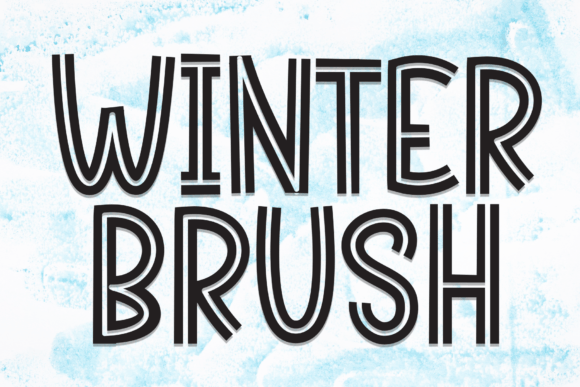
There's a particular kind of warmth that only a handwritten touch can bring to a design. It’s the feeling of a personal note, a sketch in a margin, a signature that carries weight. In a digital landscape often dominated by clean, geometric precision, the Winter Brush typeface arrives like a friendly invitation. It’s an enchanting handwritten display font that doesn't just sit on the page; it practically dances across it, infusing every character with a jovial, approachable charm. This isn't about technical typographic perfection. It’s about personality, about creating an immediate emotional connection, and about adding that elusive sprinkle of joy to your creative work.
More Than a Typeface: Capturing a Feeling
What makes a font like Winter Brush so visually appealing isn't a complex formula. It’s the organic, slightly uneven strokes that mimic the natural flow of a marker or brush pen. The letters have a confident yet relaxed rhythm, avoiding the stiffness of formal scripts. This gives it a versatile "premium font" quality that feels both crafted and spontaneous. Think of it as the visual equivalent of a warm greeting—it’s friendly, it’s genuine, and it makes you want to engage. For designers, this means you’re not just choosing a "script font"; you’re selecting a voice. It’s a modern typography choice that bridges the gap between digital clarity and human touch, making it a standout "display font" for projects that need to speak directly to people.
Where This Creative Font Truly Shines: Practical Applications
Understanding where a typeface works best is half the battle in design. The character of Winter Brush makes it particularly effective for projects where warmth, approachability, and a personal touch are paramount. It’s a "creative font" built for real-world connection.
In branding and logo design, it can become the cornerstone of an identity for a boutique bakery, a craft studio, a lifestyle blog, or a wedding planning service. Imagine it paired with a clean "sans serif font" for body text—the contrast creates a dynamic and professional yet welcoming brand identity. For packaging design, it excels on artisanal goods, organic products, or gift items, instantly communicating a handmade, care-driven quality. A label for homemade jam or a craft beer using Winter Brush feels immediately more authentic and story-driven.
When it comes to print materials and invitations, this is its natural habitat. Wedding invitations, save-the-dates, thank you cards, and event posters for community gatherings all benefit from its endearing personality. It sets a tone of celebration and intimacy before a word is even read. In the digital realm, it’s equally at home. Use it for social media graphics—think quote images, promotional banners for a sale, or Instagram story headers—to stop the scroll with its engaging, hand-lettered feel. It can add significant personality to a website or blog, perfect for hero section quotes, author names, or special announcement headers. Even in editorial design, it can be used sparingly for pull quotes or section dividers in a magazine or newsletter to break up dense "serif font" or "sans serif font" layouts and add a moment of visual relief.
Building a Cohesive Visual Language
Using a distinctive display typeface effectively is about more than just placement; it’s about integration. The goal is to use Winter Brush to enhance, not overwhelm, your project's message. This is where thoughtful "font pairing" becomes your most valuable tool. A classic and reliable approach is to pair it with a neutral, highly legible companion. A simple geometric sans serif like Montserrat or a clean serif like Lora can provide the necessary structure for longer paragraphs, allowing Winter Brush to headline and accent. This balance ensures your "brand identity" remains professional and your content stays readable.
For any "marketing asset," from a Facebook ad to a printed flyer, consider how the font’s energy aligns with your goal. Its friendly vibe is perfect for calls-to-action, special offers, or testimonials. However, for dense informational text or legal disclaimers, a more conventional typeface is necessary to maintain clarity and accessibility. Always test your pairings in context. Mock up a social media post or a draft of your packaging. Does the hierarchy feel clear? Does the handwritten element support the core message, or compete with it? This practical testing is what separates good design from great design.
A Designer’s Checklist for Implementation
Before you dive into using a new typeface like Winter Brush, a few practical checks will ensure a smooth and effective integration into your workflow.
- Review the Full Character Set: A quality "premium font" will often include more than just the basic alphabet. Look for alternates, ligatures, and stylistic sets. These are alternate versions of letters that can be swapped in to avoid repetitive letterforms, giving your text a more authentic, hand-lettered look with less manual effort.
- Readability is Paramount: At large display sizes, its charm is undeniable. At smaller sizes, however, some intricate handwritten fonts can become a blur. Always test your chosen size in your intended medium—on a phone screen, on a printed card at arm's length. If legibility suffers, it’s a clear signal to use it only for headlines or isolated words.
- Understand the License: This is a non-negotiable step, especially for commercial projects. Whether you’re a freelance designer, a small business owner, or a content creator, confirm that the font’s license covers your specific use case. Does it permit use on websites, in digital products, on merchandise, and in logos? Reputable foundries and marketplaces are clear about this. Skipping this step can lead to legal headaches down the line.
- Match the Mood to the Mission: Finally, do a gut check. Does the jovial, handwritten personality of Winter Brush align with the core values of your project or brand? For a luxury law firm, it might be a mismatch. For a children’s clothing brand, a cozy café, or a personal blog, it could be the perfect "design asset" that captures the exact feeling you want to evoke.
Ultimately, a typeface like Winter Brush is a tool for connection. It’s a way to inject humanity and warmth into a design, to make a digital interaction feel personal, and to give a physical product a story. By understanding its personality, applying it thoughtfully, and pairing it with intention, you can leverage its charm to create work that doesn’t just look good, but feels genuinely engaging and memorable. It’s a delightful addition to any designer’s toolkit, ready to add that extra spark of joy wherever it’s needed.