Sweet Sixties: A Groovy Font for Retro-Modern Projects
There’s something magnetic about the visual language of the 1960s. It was a decade of bold expression, psychedelic patterns, and a design ethos that celebrated fluidity and fun. For designers and creators today, tapping into that era’s aesthetic isn’t just about nostalgia; it’s about injecting a project with a distinct, energetic personality. This is where a typeface like Sweet Sixties becomes a powerful tool. It’s more than just letters on a page; it’s a direct line to a vintage yet vibrant vibe, perfect for when you need your design to speak with a playful, confident voice.
More Than a Nostalgic Nod: The Visual Power of Sweet Sixties
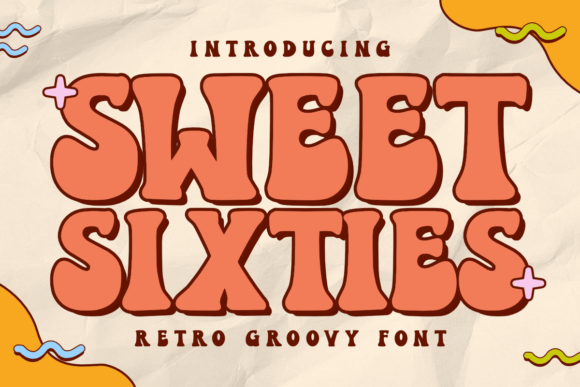
At its core, Sweet Sixties is a display font, designed to make an immediate impact. Its bold, chunky letters are impossible to ignore, but what truly sets it apart is its wavy, fluid design. Each character feels like it’s in motion, with rounded edges and a whimsical style that softens its boldness. This combination creates a unique tension: it’s strong yet approachable, retro yet fresh. Think of the typography on vintage concert posters, psychedelic album covers, or groovy advertisement layouts from the 60s—Sweet Sixties captures that essence without feeling like a dated relic. It’s a premium font that understands the assignment: to be visually arresting and emotionally resonant.
Where This Groovy Typeface Truly Shines: Practical Applications
The true test of any creative asset is its versatility. Sweet Sixties isn’t a one-trick pony. Its personality is adaptable across a surprising range of projects, making it a valuable addition to any designer’s toolkit. Here’s how you can put it to work:
- Branding and Logo Design: For businesses targeting a youthful, energetic, or creatively-minded audience, this font can form the cornerstone of a memorable brand identity. Imagine a boutique juice bar, a vintage clothing store, or a music festival using it for their primary logo. It communicates fun and authenticity instantly.
- Packaging Design: On a shelf crowded with minimalist sans-serifs and elegant serifs, a product using Sweet Sixties will pop. It’s ideal for packaging design for artisanal foods, craft beers, vinyl records, or any product that wants to convey a handcrafted, nostalgic, or playful spirit.
- Event Posters and Invitations: Need to promote a themed party, a retro market, or a community fair? This font is practically made for posters. Its high-energy vibe generates excitement and clearly signals the event’s tone. The same principle applies to invitations for milestone birthdays or themed weddings.
- Digital Presence: In the digital realm, Sweet Sixties can be a game-changer. Use it for social media graphics to stop the scroll—think Instagram stories, Facebook banners, or Pinterest pins. On a website, it’s best used for impactful headings, hero text, or call-to-action buttons where you want to inject personality without sacrificing site-wide readability.
- Merchandise and Marketing Assets: From T-shirts and tote bags to stickers and marketing assets like flyers and brochures, this font adds a layer of cool. It’s particularly effective for digital products like downloadable planners, art prints, or social media templates sold on creative marketplaces.
Strategic Typography: Using Sweet Sixties to Boost Your Project
Choosing a font like Sweet Sixties is a strategic decision that can yield tangible benefits for your project’s success. It’s not just about looking good; it’s about communicating effectively and achieving specific goals.
Enhancing Brand Recognition and Visual Consistency: A distinctive typeface is a cornerstone of strong brand recognition. When you consistently use Sweet Sixties across your logo, website, packaging, and social media, you create a cohesive visual language that your audience will come to associate with your brand’s unique personality. This visual consistency builds trust and makes your brand instantly recognizable.
Driving Audience Engagement: Typography sets the emotional tone. The playful, groovy vibe of Sweet Sixties is inherently engaging. It makes content feel more approachable, fun, and shareable. For a content creator or marketer, using it for key headlines or graphics can increase dwell time and interaction because it breaks the monotony of standard corporate fonts.
Achieving Professional Presentation: A professional presentation isn’t about being stiff; it’s about being intentional. Using a high-quality, well-crafted display font like Sweet Sixties shows you’ve paid attention to detail. It elevates a project from amateur to polished, signaling to your audience that you value quality and creativity.
Making It Work: Practical Advice for Designers and Creators
Integrating a character-rich font requires a thoughtful approach to ensure it enhances rather than overwhelms your design. Here are some practical tips for using Sweet Sixties effectively:
- Pairing is Key: Because Sweet Sixties is so bold and expressive, it pairs best with simpler, more neutral typefaces. For body text, consider a clean sans serif font like Open Sans or Lato. If you’re going for a more classic editorial look, a traditional serif font like Georgia or Times New Roman can provide a beautiful contrast. The goal is balance—let Sweet Sixties be the star of the show in headlines.
- Prioritize Readability: As a display font, Sweet Sixties is optimized for impact at larger sizes, not for long paragraphs of body copy. Use it for headings, subheadings, pull quotes, and logos. For extended reading, always switch to a highly readable sans serif font or serif. Always test your design at various sizes to ensure key messages are clear.
- Review the Included Styles: A good premium font family often includes stylistic alternates, ligatures, or multiple weights. Explore the full character set of Sweet Sixties. You might find alternate letters or swashes that allow you to customize the look further and create unique lockups for your logo or special headings.
- Match the Font to Your Project’s Goal: Ask yourself: does this font’s personality align with my message? Sweet Sixties is perfect for projects that aim to be fun, creative, nostalgic, energetic, or youthful. It might not be the right fit for a formal law firm or a luxury watch brand. Choosing the right font style means ensuring the typography’s voice matches your project’s voice.
- Understand the License: If you plan to use the font for commercial work—which includes client projects, merchandise for sale, or marketing for a business—ensure you have the proper commercial licensing. This is a non-negotiable part of professional practice and protects both you and your client.
In the end, a typeface like Sweet Sixties is a bridge. It connects a beloved visual era to contemporary design needs, offering a solution that is both emotionally charged and highly functional. It’s a reminder that typography is not just about letters; it’s about personality, emotion, and connection. By thoughtfully applying its groovy, fluid character, you can create designs that don’t just capture attention—they capture a feeling, making your work memorable and distinctly yours.