Palaestra: A Typeface for Timeless Elegance
There’s a particular kind of design challenge that calls for more than just legibility—it demands presence. You know the feeling: you’re crafting a wedding invitation that needs to whisper romance, designing a boutique logo that must exude quiet confidence, or laying out a magazine cover where every element competes for a fleeting glance. In these moments, typography isn’t just a tool; it’s the voice of the entire project. This is precisely where a carefully crafted display font like Palaestra steps in, offering a blend of classical beauty and modern sensibility that can transform good design into something truly memorable.
The Visual Language of Palaestra
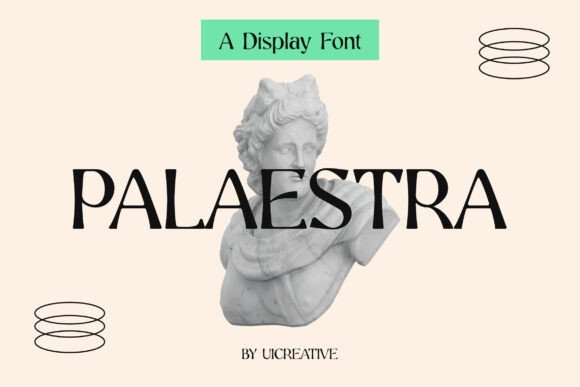
At first glance, Palaestra feels both familiar and fresh. It carries the structured elegance of a refined serif, with graceful strokes and balanced proportions that nod to traditional typography. Yet, its modern execution gives it a crisp, clean edge that prevents it from feeling dated or overly ornate. This duality is its strength. The font manages to be distinctly stylish without shouting, making it a versatile player in a designer’s toolkit. Its letterforms are designed with careful attention to spacing and rhythm, ensuring that words set in Palaestra have a natural, flowing cadence that’s pleasing to the eye.
What makes it particularly compelling for branding and editorial work is its balanced personality. It can lean masculine with its strong, confident structure, yet it also possesses a soft, feminine grace in its delicate terminals and curves. This makes it an exceptional choice for projects that need to appeal to a broad audience or convey a sophisticated, gender-neutral aesthetic. Think of a high-end skincare brand, a luxury hotel, or a contemporary fashion label—Palaestra can adapt its tone to fit the specific nuance required.
From Logo to Packaging: Practical Applications
The true test of a premium font is how it performs in the real world, across different media and scales. Palaestra’s design as a modern display typeface means it’s built for impact at larger sizes, making it ideal for headlines, logos, and feature titles where its details can be fully appreciated.
Branding & Logo Design: A logo sets the first impression. Using Palaestra can instantly communicate a sense of established quality and refined taste. For a boutique bakery, it suggests artisanal care. For a consulting firm, it implies professionalism and clarity. Its legibility at various sizes ensures your brand name remains recognizable whether it’s on a business card or a storefront sign.
Print & Editorial Design: Magazine covers, book titles, and poster headlines thrive on visual hierarchy. Palaestra’s elegant presence commands attention without overwhelming accompanying imagery. Pair it with a clean sans-serif for body text to create a classic, readable layout that guides the reader’s eye effortlessly. In packaging design, it can elevate a product from ordinary to premium, making the item feel like a considered purchase rather than an impulse buy.
Digital Presence: In the crowded space of social media and websites, standing out is crucial. A striking Instagram graphic or a website hero banner set in Palaestra can stop the scroll. Its clarity on screen makes it suitable for website headers and important call-to-action buttons, where you need style and function to coexist. For digital products like e-books or online course materials, it lends a professional polish that enhances perceived value.
Making It Work: Font Pairing and Readability
Choosing a beautiful display font is only half the battle. The key to using it effectively lies in thoughtful pairing and a keen eye for context. Palaestra, as a serif with pronounced character, works best when contrasted. A common and successful strategy is to pair it with a simple, geometric sans-serif for longer passages of text. This contrast creates visual interest and establishes a clear hierarchy, ensuring your headline makes an impact while your body copy remains easy to read.
Always test your chosen combinations in the context of your actual project. How does the pairing look on a mobile screen versus a printed brochure? Does the font remain legible at the size you intend to use it? For instance, while Palaestra might be perfect for a poster headline, you might choose a different, more neutral style for small subheadings or captions to maintain overall readability. Most premium font families include multiple styles—like regular, bold, and italic—which give you flexibility. Using the bold weight for key points or the italic for subtle emphasis can add sophistication without introducing a new font.
Finally, consider the practicalities of licensing. If you’re using Palaestra for a commercial project—a client’s logo, a product you sell, or marketing materials—ensure you have the appropriate commercial license. This isn’t just a legal formality; it’s an ethical practice that supports the typographers and designers who create these invaluable design assets, allowing them to continue producing high-quality work for the creative community.
Finding the right typeface is a journey of matching visual character to communicative intent. Palaestra offers a compelling destination for projects that seek to blend timeless elegance with contemporary clarity, proving that the right font doesn’t just display words—it embodies an idea.