Ice Font: A Quirky Display Typeface for Modern Branding
You know the feeling when you're scrolling through endless font libraries, searching for that one typeface that doesn't look like everything else? That's where Ice comes in. It's a display font with personality—quirky enough to stand out, yet versatile enough to work across a surprising range of projects. Whether you're designing a logo for a startup, creating social media posts for a boutique brand, or putting together packaging for a new product line, Ice brings a distinctive character that catches the eye without trying too hard.
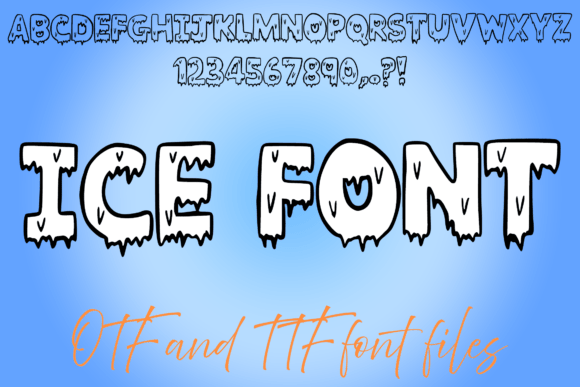
What makes this particular typeface worth your attention? It's the balance between playfulness and functionality. Many decorative fonts sacrifice readability for style, but Ice manages to walk that line with confidence. The letterforms have subtle irregularities that give them warmth and approachability, while the overall structure keeps text legible at various sizes. For designers, marketers, and creative entrepreneurs who need a font that feels fresh but professional, this is where Ice shines.
A Typeface Built for Visual Impact
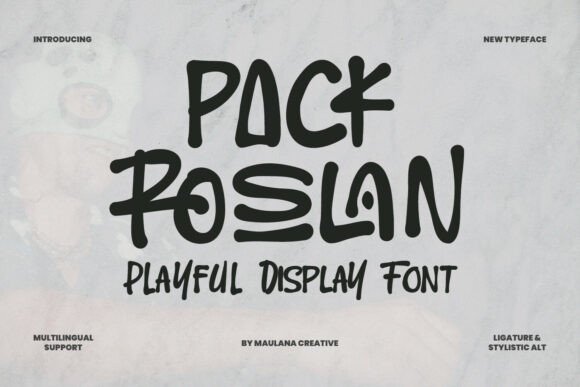
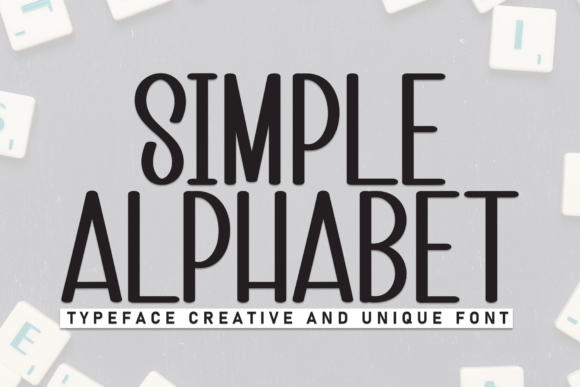
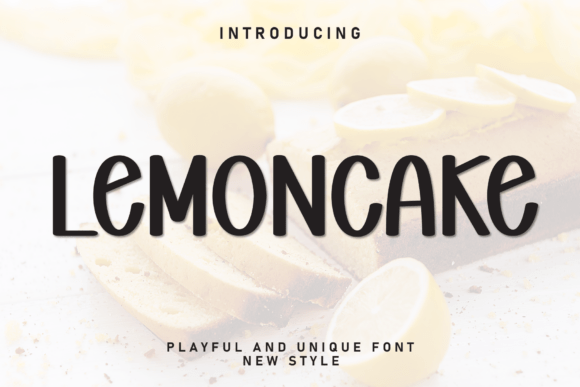
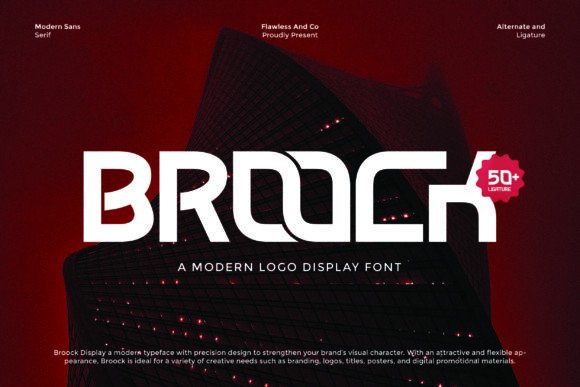
Ice isn't your standard serif font or predictable sans serif. It occupies a space that feels distinctly modern, drawing on display typography traditions while carving out its own identity. The slightly offbeat letter shapes give it a handmade quality—think of it as the typographic equivalent of a hand-drawn illustration that's been polished just enough to work in commercial contexts.
This kind of creative font works particularly well when you want to inject some personality into a brand without going full whimsical. Consider a specialty coffee roaster looking to differentiate itself from corporate chains. Ice on a coffee bag label immediately signals something artisanal and approachable. Or picture a children's book cover where the title needs to feel inviting but not childish. The font's quirky geometry handles that middle ground beautifully.
For those working in editorial design, Ice brings energy to headlines and pull quotes that a more conservative typeface simply can't match. Magazine spreads, blog headers, and digital publications all benefit from a display font that commands attention without overwhelming the surrounding content. The key is understanding where this typeface performs best and pairing it thoughtfully with supporting fonts.
Practical Applications Across Industries
Let's talk about where Ice actually works in the real world. Branding projects are an obvious starting point. When you're building a brand identity from scratch, the primary typeface sets the tone for everything that follows. Ice suits brands that want to come across as creative, approachable, and slightly unconventional—think independent bakeries, boutique clothing lines, artisanal skincare companies, or creative agencies that want to signal innovation without seeming pretentious.
Logo design is another natural fit. A display font like Ice can serve as the foundation for a wordmark or complement a graphic logo element. Because the letterforms have built-in character, even a simple logotype feels considered and intentional. Just remember that logo work often requires custom adjustments to spacing and proportions, so treat the font as a starting point rather than a finished product.
Packaging design deserves special mention here. On shelf, products have roughly three seconds to grab a shopper's attention. Typography plays a massive role in that first impression. Ice works beautifully on product labels, box designs, and retail packaging where you need the name to pop. Whether it's a gourmet hot sauce bottle or a box of artisan chocolates, this typeface helps products feel distinctive and premium without the stuffiness that sometimes accompanies luxury branding.
Social media graphics are another area where Ice excels. Instagram posts, Pinterest pins, Facebook ads, and TikTok overlays all demand fonts that read clearly at small sizes on mobile screens. The bold, distinctive shapes of a display typeface like this one help your content stand out in crowded feeds. Pair it with a clean sans serif for body text, and you've got a visual system that feels cohesive and professional across every platform.
Pairing Ice with Other Fonts
No display font exists in isolation. The real magic happens when you pair it with complementary typefaces. Ice works particularly well alongside simple, geometric sans serif fonts that provide a quiet counterbalance to its personality. Think of a pairing like Ice for headlines combined with a neutral sans serif for paragraphs—the contrast creates visual hierarchy while keeping the overall design grounded.
If your project calls for a warmer feel, try pairing it with a soft handwritten font for secondary elements like captions or callouts. Just be careful not to stack multiple decorative fonts together, as the competing personalities can make a layout feel chaotic rather than curated. The general rule holds: let one font be the star and the others play supporting roles.
For editorial layouts and blog design, consider using Ice for article titles and section headers while relying on a highly readable serif or sans serif for body copy. This approach gives your publication visual energy without sacrificing the reading experience. Web design follows similar logic—reserve the display typeface for hero sections, navigation highlights, and calls to action where impact matters most.
Readability and Licensing Considerations
Before committing to any premium font for a project, test it thoroughly. Set Ice at the sizes you'll actually use. Check how it renders on different screens if you're working on digital projects. Print out samples if the final output is physical. Look at how individual letter combinations interact—some quirky fonts have letter pairs that create awkward spacing, and it's better to catch those issues early.
Pay attention to the font styles included in the family. Many display fonts come with multiple weights, alternates, or stylistic variations that expand your creative options significantly. Understanding what's available helps you make the most of the typeface across different applications without needing additional fonts.
Commercial licensing is another practical consideration that's easy to overlook in the excitement of finding the right font. If you're using Ice for client work, merchandise, digital products, or any project that generates revenue, make sure your license covers that use. Most premium font licenses distinguish between personal and commercial use, and some have specific terms for embedding fonts in digital products or applications. Reading the license agreement takes five minutes and can save you significant headaches later.
For small business owners and entrepreneurs managing their own design work, investing in a quality commercial font is one of the most cost-effective branding decisions you can make. A distinctive typeface becomes part of your visual identity—it appears on your website, your packaging, your marketing materials, and your social content. Over time, that consistency builds recognition. Customers start associating the font's personality with your brand before they even read the words.
Making the Most of a Creative Font Choice
Choosing a typeface like Ice is really about understanding what you want your project to communicate. If the goal is to feel approachable, creative, and memorable, a quirky display font delivers that message before a single word is read. Typography is one of the most powerful—and most underestimated—tools in visual communication. The fonts you choose signal quality, personality, and intention to your audience, often on a subconscious level.
Whether you're a designer building out a client's brand system, a content creator developing a consistent visual style for your channel, or a hobbyist working on a passion project, having a versatile and distinctive font in your toolkit opens up creative possibilities. Ice offers that rare combination of visual interest and practical flexibility. It's the kind of typeface that makes you rethink what's possible with a single design asset—and that's exactly what good typography should do.