Disco Dream: Capturing the Electric Energy of the 70s
Close your eyes and imagine the scene: the lights go low, a mirror ball begins to spin, casting thousands of tiny diamonds across the room, and the opening synth notes of a classic track hit the speakers. That specific, high-voltage energy—that feeling of pure, unadulterated joy and movement—is exactly what typography needs to capture when we talk about the visual landscape of the late 1970s. In the world of design, fonts are rarely just about legibility; they are about setting a mood. If you have ever struggled to find a typeface that doesn’t just sit on the page but actually grooves across it, you are likely searching for something with a bit more soul, a bit more funk, and a lot more personality.
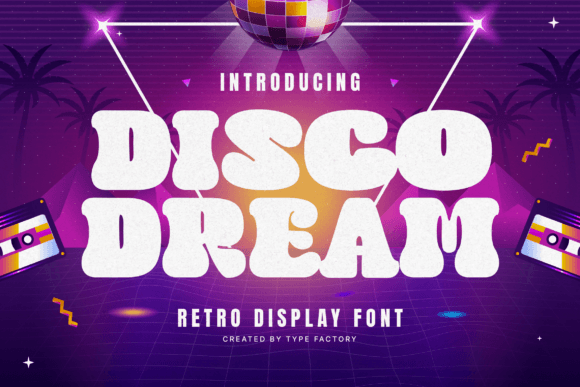
Enter Disco Dream, a display typeface that does exactly what its name promises. It doesn't whisper; it shouts. It captures the high-energy pulse of the vibrant disco scene, offering designers a tool that is spirited, groovy, and undeniably bold. But beyond the aesthetic, how does a font like this actually function in modern design? Whether you are a small business owner looking to rebrand a venue, a graphic designer working on a poster, or a content creator trying to make a social media carousel pop, understanding how to wield a retro display font is a skill that separates the amateur from the professional.
The Anatomy of Groovy Typography
To appreciate a typeface like Disco Dream, you have to look at the visual cues that define the era it represents. The 70s were a rejection of the rigid, minimalist structures of the 60s. Typography became fluid, organic, and incredibly expressive. We are talking about high-contrast strokes, flared serifs, and letterforms that seem to expand and contract like a dancer on the floor.
What makes Disco Dream specifically work as a premium font choice is its refusal to be boring. It utilizes the characteristics of a stylized serif font, but with a heavy, punchy weight that anchors it firmly in display territory. It isn't a sans serif font designed for reading body text on a website; it is a statement piece. The characters are imbued with that "irresistibly funky style" that makes them feel alive.
When you are selecting a typeface for a project, you are essentially choosing a voice. If you use a standard Helvetica or Arial, your voice is neutral and corporate. If you use a delicate script font, your voice is elegant and feminine. But when you use a font like Disco Dream, your voice becomes the life of the party. It tells the viewer immediately: this is going to be fun.
Practical Applications: Where Retro Meets Modern
One of the biggest misconceptions about retro design assets is that they are only useful for period pieces or throwback parties. In reality, the 70s aesthetic is currently enjoying a massive resurgence in contemporary visual communication. We are seeing it in major brand identities, on packaging in grocery aisles, and all over Instagram.
Here is how you can practically apply a typeface like this across different mediums:
- Branding and Logo Design: If you are launching a brand that focuses on lifestyle, music, fashion, or entertainment, a creative font like Disco Dream can form the backbone of your brand identity. It works exceptionally well for logos that need to be recognizable at a glance. Think of a boutique record store, a roller disco, or a retro-themed bar.
- Packaging Design: The food and beverage industry thrives on shelf presence. A bold display font creates immediate contrast. Imagine a craft beer label or a line of hot sauces using this typography to signal flavor and intensity. It communicates that the product inside is bold.
- Social Media Graphics: In the endless scroll of a feed, you have about 0.5 seconds to stop a thumb. Standard text gets ignored. Funky, high-contrast typography creates a visual "bump" that catches the eye. It is perfect for Instagram Stories, headers, or sale announcements where you need high-impact social media graphics.
- Posters and Editorial Layouts: In editorial design, drop caps and pull quotes need to be engaging. Disco Dream works beautifully for headlines in magazine layouts or print materials like flyers and invitations. It sets the stage for the content that follows.
Mastering Font Pairing: The Yin and Yang of Design
Here is a hard truth about typography: a font like Disco Dream is fantastic, but if you use it for everything, your design will become unreadable and chaotic. It is a "loud" font, and loud fonts need quiet friends. This is where the art of font pairing comes in.
Because Disco Dream has so much character, you need to balance it with something stable. A clean, geometric sans serif font is usually the perfect partner. The sans serif provides the readability for the "boring" stuff—dates, times, body copy, and descriptions—while Disco Dream handles the "exciting" stuff—the headlines and titles.
Practical Advice for Pairing:
- Contrast is Key: Do not pair a retro serif with another stylized font. If the headline is dancing, the body text needs to stand still.
- Weight Matching: Disco Dream is likely a heavy, bold typeface. Ensure your body text has enough weight to stand up to it, or enough lightness to create a clear hierarchy.
- Spacing Matters: Display fonts often benefit from tighter tracking (letter spacing) in headlines to make them feel like a solid block of impact, whereas body text needs standard spacing for legibility.
Think of it like a DJ set. The headline is the bass drop—the moment of excitement. The body text is the steady beat that keeps the rhythm going. You need both for the track to work.
Elevating Digital Products and Marketing Assets
For the entrepreneurs and digital nomads out there, let’s talk about digital products. If you are selling Canva templates, Lightroom presets, or online courses, your branding needs to look polished and professional. Using a commercial font like Disco Dream instantly elevates the perceived value of your product.
There is a psychological effect at play here. When a customer sees a unique, well-chosen typeface on a sales page or a product mockup, they subconsciously attribute higher value to it. It shows that you care about the details. It moves your project from looking "homemade" to looking "professionally designed."
Furthermore, consider the versatility in web design. While you wouldn't use it for your navigation menu, using it for landing page hero sections or "404 Error" pages can add a delightful touch of personality to your user experience. It humanizes the digital interface.
Readability and Commercial Considerations
Before you fall completely in love with a font, you have to put on your business hat. First, always review the licensing. If you are using this for a client's logo or selling merchandise like t-shirts and mugs, you need a commercial font license that covers those specific uses. Free fonts often come with restrictions that can bite you later.
Second, test the readability. A vivacious font can sometimes sacrifice clarity for style. Test your headlines at the actual size they will be viewed. If someone has to squint to read the word "Summer," the style has defeated the purpose. Fortunately, a well-crafted retro typeface maintains legibility even with its groovy quirks, but it is always your job as the designer to check.
Bringing the Vibe to Life
Ultimately, design is about connection. It is about evoking a feeling before the viewer has even read the first sentence of your copy. Disco Dream encapsulates that electrifying charm of the dance floor. It is a tool for nostalgia, but it is also a tool for high-energy modern branding.
Whether you are crafting a logo for a new startup, designing a flyer for a local event, or building a visual identity for a lifestyle brand, do not be afraid to inject some funk into your work. The digital world is saturated with safe, sans-serif minimalism. Sometimes, the best way to stand out is to put on your dancing shoes, crank up the volume, and let your typography move to the beat. By matching this spirited typeface with solid design principles and clear messaging, you can bring a disco ball right into the heart of your next project.