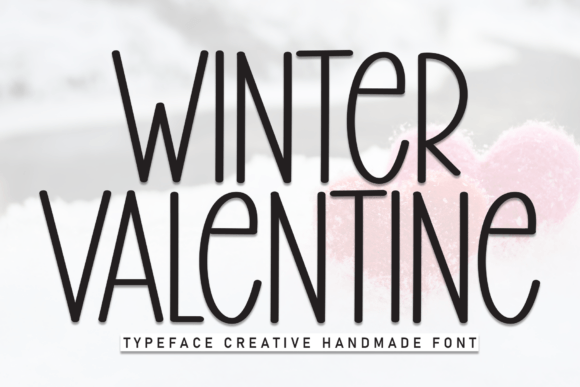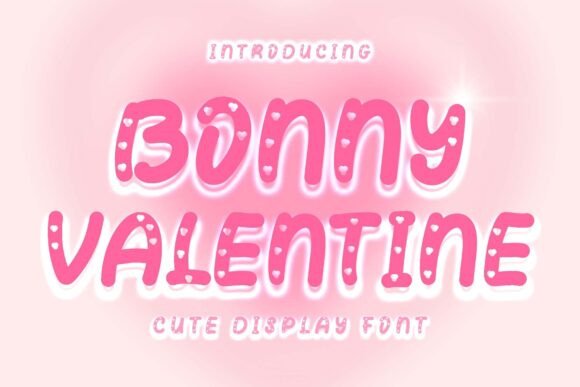
Bonny Valentine: A Font That Feels Like a Handwritten Love Letter
There’s a certain magic in a handwritten note—the slight imperfections, the gentle curves, the warmth that a perfectly uniform, machine-generated text just can’t replicate. We crave that human touch, especially when we want to communicate something heartfelt, celebratory, or deeply personal. For designers, entrepreneurs, and creators, finding a typeface that captures this feeling without sacrificing clarity or versatility is a constant search. Enter Bonny Valentine, a display font that doesn’t just sit on the page; it dances, it whispers, and it connects. It’s the visual equivalent of a charming accent, a tool designed to infuse projects with a distinct personality that’s both cute and undeniably beautiful.
Beyond the Pretty Face: The Anatomy of a Versatile Typeface
At first glance, Bonny Valentine is all about its graceful, flowing lines and a slightly whimsical character. But its true value lies in its thoughtful construction. This isn’t a one-trick pony. It comes fully equipped with a complete character set: uppercase and lowercase letters, numbers, and essential punctuation. Crucially, it includes multilingual support, making it a practical choice for global brands or projects aimed at diverse audiences. This comprehensive toolkit means you can use it for more than just a headline. You can set a short paragraph, design a full invitation suite, or create cohesive branding materials without hitting a missing glyph wall. It’s a premium font built for real-world application, blending aesthetic appeal with the functional necessities of modern design assets.
Where Does a Font Like This Truly Shine? Practical Applications
Think of Bonny Valentine as a specialist for moments that matter. Its visual style—a blend of script font elegance and handwritten font intimacy—makes it a natural fit for projects where emotion and personal connection are key. Let’s move beyond the obvious Valentine’s Day card, though it’s perfect for that. Consider its role in logo design for a boutique bakery, a wedding planner, or a handmade jewelry brand. The font instantly communicates craft, care, and a personal touch. For packaging design, it can elevate a product from a mere commodity to a gift, adding perceived value and shelf appeal.
Its applications extend powerfully into the digital realm. In social media graphics, where scroll-stopping power is everything, a few well-chosen words set in this typeface can create an emotional hook, boosting audience engagement. For web design, it can be used strategically for hero sections, pull quotes, or call-to-action buttons to inject warmth into an otherwise clean, sans serif font layout. Bloggers and content creators will find it invaluable for creating standout blog titles, featured image text, or the cover of a digital download. And for physical products—think posters, stickers, invitations, and merchandise—it delivers a professional yet approachable brand identity that resonates.
Strategic Typography: Using Bonny Valentine with Purpose
Simply having a beautiful creative font is only half the battle. Using it effectively requires a strategic mindset. The most important rule? Readability comes first. Bonny Valentine is a display font, meaning it’s engineered for impact at larger sizes. Use it for headlines, titles, and short, impactful phrases. Avoid setting long blocks of body copy with it, as its intricate details can reduce legibility at small sizes. For body text, pair it with a clean, highly readable serif font or sans serif font. This contrast creates a dynamic and professional font pairing that guides the reader’s eye naturally.
Matching the font to your project’s goal is critical. Ask yourself: what is the core emotion or message? Bonny Valentine excels in conveying joy, romance, celebration, and warmth. It’s less suited for corporate reports or tech startups aiming for a stark, minimalist aesthetic. For branding, consistency is key. Once you choose it for your logo or primary headlines, use it consistently across all touchpoints—from your website to your marketing assets and print materials. This builds brand recognition and creates a cohesive visual language that tells a unified story.
From Hobby to Business: Considering the Commercial License
For the hobbyist crafting a personal scrapbook, the licensing details might be a secondary concern. But for the entrepreneur, the small business owner, or the freelance designer, understanding the commercial font license is non-negotiable. Before you integrate Bonny Valentine into a client’s logo, a product you plan to sell, or a marketing campaign, ensure you have the correct license that permits commercial use. Reputable font marketplaces are very clear about these terms. This due diligence protects you legally and ensures the font’s creator is fairly compensated for their work, supporting the ecosystem that allows for such high-quality modern typography to exist.
In the end, choosing a typeface like Bonny Valentine is about more than just picking something pretty. It’s a deliberate choice to add a layer of personality and emotional resonance to your work. It’s a tool for visual consistency, a catalyst for brand recognition, and a way to make your professional presentation feel genuinely human. Whether you’re designing a wedding invitation, crafting a Christmas marketing campaign, or building a brand from the ground up, it offers a specific, valuable voice. Test it, pair it thoughtfully, and let it help you communicate not just a message, but a feeling.